No products in the cart.
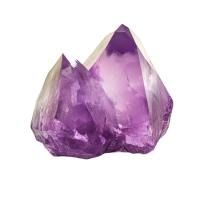
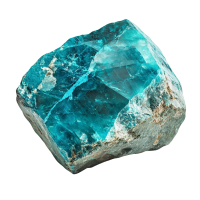
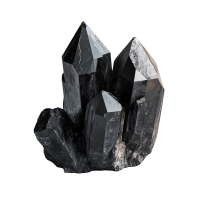
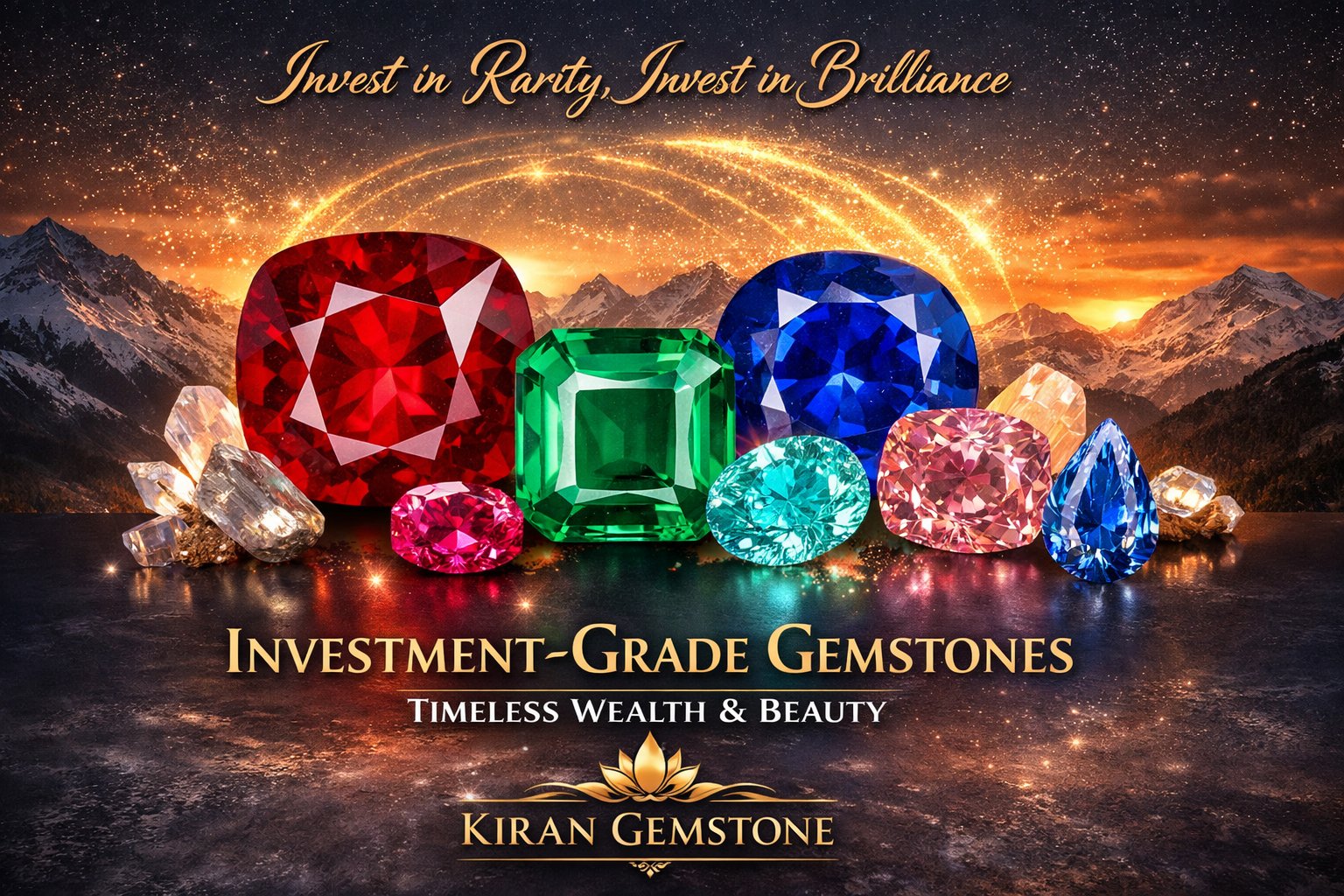
In the financial landscape of 2026, savvy investors are shifting their focus from volatile digital assets and traditional stocks toward tangible “hard assets.” Investment-Grade Rare Gemstones have emerged as the premier choice for wealth preservation and significant long-term capital appreciation. Unlike commercial jewelry, these stones are historical stores of value that offer a hedge against inflation.
Not every beautiful stone is an investment. An Investment-Grade Gemstone must possess a specific combination of scarcity, natural origin, and high-tier quality. In 2026, the market value is strictly dictated by the “Three Pillars”:
The Burmese Ruby remains the undisputed leader of the gemstone market. In 2026, the scarcity of unheated rubies from the Mogok region has driven prices to record highs.
Kashmir Sapphires are often referred to as “Blue Gold.” Since the mines were exhausted decades ago, these stones are only available through secondary markets and auctions. In 2026, Royal Blue Sapphires from Madagascar and Sri Lanka are also seeing a massive surge in demand as viable alternatives for a Gemstone Portfolio.
Emeralds are notoriously included (the “Jardin”). However, No-Oil Emeralds—stones that require no resin or oil to enhance clarity—are the ultimate prize for collectors. In 2026, the “Old Mine” Colombian emeralds are appreciating at an annual rate of 12-15%.
Perhaps the most exciting trend of 2026 is the meteoric rise of the Paraiba Tourmaline. Its unique neon-blue glow, caused by copper traces, makes it one of the most visually striking and rarest stones on Earth. Prices for fine Brazilian specimens are now rivaling high-end pink diamonds.
While the traditional 4Cs (Color, Clarity, Cut, Carat) remain vital, 2026 investors prioritize Provenance (Origin).
In 2026, the “Big Three” (Ruby, Emerald, Sapphire) are being joined by “sleeper” stones that offer high growth potential:
Investing in gems requires due diligence. The 2026 market has seen an influx of sophisticated synthetics.
The integration of Blockchain and Gemstones has revolutionized the market. Many investment-grade stones now come with a “Digital Twin” NFT that records its entire chain of custody, ensuring the stone is conflict-free and ethically sourced.
Investment-Grade Rare Gemstones offer a unique combination of aesthetic beauty and financial security. As we move through 2026, the gap between “jewelry” and “investment assets” is widening. By focusing on unheated, certified, and rare specimens, you aren’t just buying a stone—you are securing a piece of the Earth’s history that will likely appreciate for generations.
Ans: Investment-Grade Gemstones are rare, high-quality stones that meet strict standards for color, clarity, carat weight, origin, and minimal treatment. These gemstones are purchased primarily for wealth preservation and long-term appreciation rather than for jewelry alone.
They are typically certified by reputable gemological laboratories and sourced from historically significant mining regions.
Ans: In 2026, investors are seeking stability outside traditional financial markets. Rare Gemstones 2026 are gaining traction because:
Supply is limited due to mine depletion
They are tangible and portable assets
They hedge against inflation
They are independent of stock market volatility
As global wealth increases, demand for elite untreated stones continues to rise, pushing prices upward.
Ans: Yes, in most cases.
No-heat Rubies are significantly rarer because they have not undergone heat treatment to enhance color or clarity. Natural, untreated rubies are highly sought after by collectors and investors, which makes them more valuable and more likely to appreciate over time compared to treated stones.
Ans: A Gemstone Portfolio is a diversified collection of investment-quality stones designed to balance risk and maximize long-term growth.
It may include:
No-heat rubies
Blue sapphires
Colombian emeralds
Rare specialty stones
Just like traditional portfolios, diversification across types, origins, and sizes helps reduce investment risk.
Ans: Yes. Many investors classify rare, untreated gemstones as High-yield Alternative Assets because:
They have shown strong historical appreciation
They are scarce and finite
They are not directly tied to economic cycles
However, returns depend on quality, rarity, certification, and holding period.
Ans: Entry-level investment-grade stones often begin around $5,000–$10,000. However, serious investors typically allocate larger budgets to acquire higher-carat, untreated stones with premium origins.
The key is to prioritize quality over quantity.
Ans: Always purchase gemstones that come with certification from internationally recognized gemological laboratories confirming:
Treatment status
Geographic origin
Authenticity
Working with reputable dealers like kiran gemstone ensures transparency, proper documentation, and expert guidance.
Ans: Gemstones are long-term assets. A holding period of 5–15 years is typically recommended for meaningful appreciation. They are not suitable for short-term flipping unless you have deep market expertise.
Ans: Compared to stocks, gemstones are less liquid. Selling may take time depending on the stone’s value and market demand. However, high-quality, certified, rare stones tend to attract strong buyer interest globally.
Ans: The main risks include:
Overpaying due to lack of market knowledge
Buying treated stones misrepresented as untreated
Poor certification or fraudulent documentation
Limited short-term liquidity
Proper research and trusted sourcing significantly reduce these risks.
Ans: Gemstones and gold serve different purposes. Gold is highly liquid and widely traded. Rare, untreated gemstones can offer higher appreciation potential due to extreme scarcity, but they require more expertise and longer holding periods.
Many investors hold both as part of a diversified strategy.
Ans: With declining mine production, rising global wealth, and growing demand for tangible assets, many experts believe the current environment remains favorable. The key is acquiring truly rare, certified stones at fair market value and holding them strategically.



