No products in the cart.
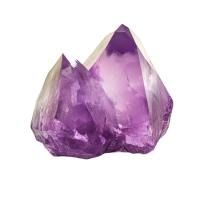
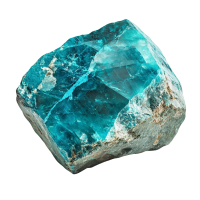
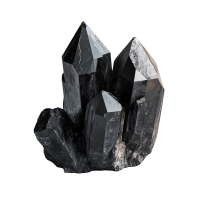
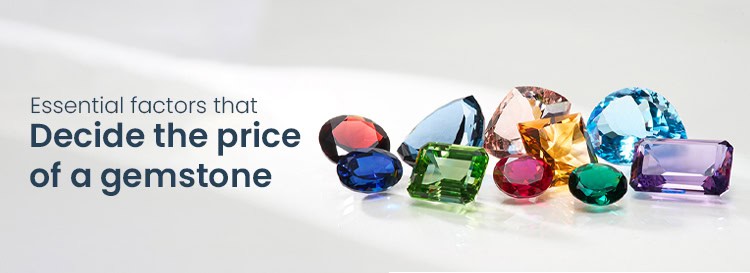
When you’re shopping for gemstones, it’s pretty normal to wonder why one stone costs way more than another even though they look almost the same. At Kirangemstone, pricing isn’t random — it’s based on a set of key qualities that determine a gemstone’s real value. Here are the main factors that influence gemstone prices:
Different gemstones have different levels of rarity. For example, rubies, emeralds, and sapphires are generally more valuable than stones like amethyst or topaz. So the first big factor is simply what gemstone you’re buying. Rarer stones naturally cost more.
Color is one of the most important pricing factors. A gemstone with pure, rich, and vivid color will always cost more than one that looks dull or washed out.
For example:
Rubies with a deep “pigeon blood” red are highly prized
Emeralds with a vivid bluish-green tone are more expensive
Sapphires with a royal blue color fetch premium prices
Stones with the best color grades are rare, so they carry higher price tags.
Almost all natural gemstones have tiny inclusions inside them. These are natural “birthmarks” formed as the stone develops. Stones with fewer or less visible inclusions cost more because they are harder to find.
Clear gemstones that allow light to pass through beautifully are highly valued.
Cutting isn’t just about making the stone look pretty — a good cut improves sparkle, brilliance, and light reflection.
A well-cut gemstone usually costs more because:
More raw material gets wasted during cutting
It requires skilled craftsmanship
It enhances shine and symmetry
Popular shapes (like oval, pear, round) also influence pricing depending on demand.
Carat simply means weight. Larger gemstones are much rarer, so their price increases significantly with size.
For example, a 2-carat gemstone can cost much more than double the price of a 1-carat stone of the same quality, just because large stones are harder to find.
Many gemstones undergo treatments to improve their color or clarity. Treated stones are cheaper than untreated, natural ones of the same appearance.
For example:
Heat-treated sapphires are common and affordable
Untreated sapphires with natural color are rare and expensive
Kirangemstone clearly mentions treatment details so buyers know exactly what they’re paying for.
Where a gemstone comes from can also influence its value. Certain mines and regions are known for producing top-quality stones.
For example:
Burmese rubies
Colombian emeralds
Kashmir sapphires
These origins are famous and highly respected, which makes gemstones from these locations more valuable.
Certified gemstones usually cost more because certification proves:
✔ The gemstone is genuine
✔ The gemstone is natural (not synthetic)
✔ Details like color, treatment, weight, and origin
Kirangemstone provides authenticity assurance, which adds confidence and value for the buyer.
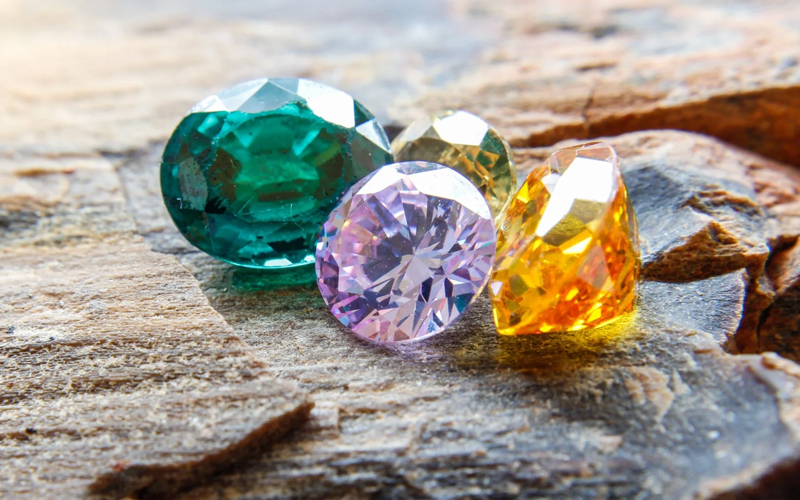
The price of a gemstone isn’t just about how pretty it looks — it’s a mix of rarity, quality, treatment, size, and origin. At Kiran gemstone, these factors are clearly evaluated so you get fair pricing and a gemstone that holds real value.
The price of a gemstone is mainly determined by:
Color
Clarity
Cut
Carat weight
Rarity
Origin
Treatment status
Market demand
These factors work together to influence overall value.
Color is often the most important factor. The value depends on:
Hue (the actual color)
Tone (lightness or darkness)
Saturation (intensity of color)
For example, deep blue Sapphire or vivid red Ruby typically command higher prices due to strong, desirable color saturation.
Clarity refers to internal inclusions or external blemishes.
Stones like Diamond are highly valued for fewer inclusions.
Some gems, such as Emerald, naturally contain inclusions, so slight imperfections are more acceptable.
Cleaner stones usually cost more, but clarity standards vary by gem type.
Larger gemstones are rarer, and price increases exponentially—not linearly—with size.
For example, a 2-carat stone of the same quality may cost significantly more than twice the price of a 1-carat stone.
Cut affects:
Sparkle
Light reflection
Overall appearance
A well-cut gemstone maximizes brilliance and can significantly increase value, even if the raw material quality is average.
Yes. Certain origins are highly prized. For example:
Kashmir sapphires
Burma rubies
These origins are associated with exceptional quality and rarity, increasing market value.
Many gemstones undergo treatments such as:
Heat treatment
Fracture filling
Dyeing
Untreated gemstones are typically more valuable than treated ones, especially in high-end markets.
Absolutely. The rarer the gemstone, the higher its potential value. For example, stones like Alexandrite and Paraiba Tourmaline are highly prized because of their limited supply and unique characteristics.
Yes. Certification from reputable gemological laboratories increases buyer confidence and can significantly impact value, especially for expensive stones.
Yes. Fashion trends, celebrity influence, and global demand can all affect pricing. For example, engagement ring trends often influence demand for certain gemstones.


