No products in the cart.
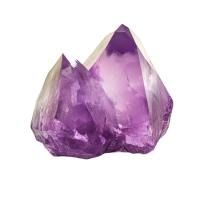
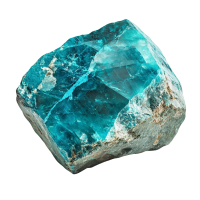
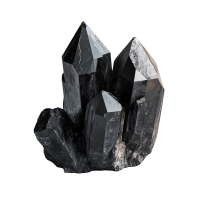

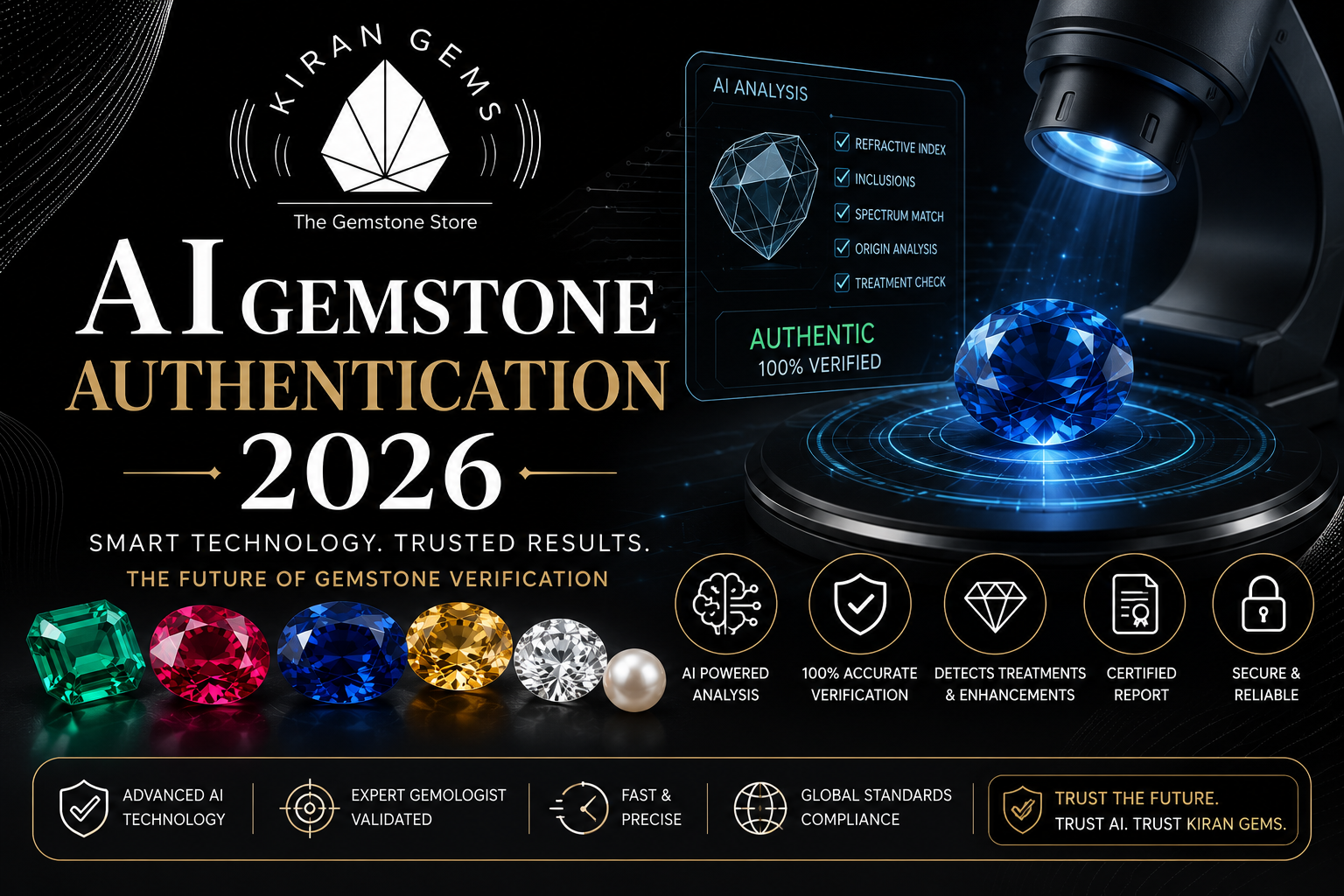
The gemstone industry has always relied on the trained eyes and steady hands of expert gemologists. But in 2026, a new player has entered the lab: artificial intelligence. From detecting synthetic stones to predicting treatment history in seconds, AI gemstone authentication is transforming how buyers, sellers, and laboratories verify the genuineness of precious stones.
This shift comes at a critical time. As synthetic and treated gemstones become increasingly sophisticated and harder to detect with the naked eye, the demand for faster, more accurate, and more accessible authentication methods has never been higher. Here’s a deep dive into how AI is reshaping this centuries-old industry.
Traditional gemstone authentication has always depended on manual inspection using tools like microscopes, refractometers, and spectrometers, interpreted by highly trained gemologists. While effective, this process has several limitations:
These challenges created an opening for technology to step in—and AI in gemstone testing has emerged as one of the most promising solutions.
AI gemstone authentication refers to the use of machine learning algorithms, trained on massive datasets of gemstone images, spectral data, and inclusion patterns, to identify whether a stone is natural, synthetic, or treated. These systems can process visual and chemical data far faster than the human eye, often flagging inconsistencies that might otherwise go unnoticed.
Unlike traditional inspection, which relies heavily on individual expertise, AI models are trained on thousands—sometimes millions—of verified samples, allowing them to recognise subtle patterns invisible to even experienced gemologists.
One of the most immediate benefits of AI-assisted authentication is speed. What once took days of manual analysis can now be completed in minutes through automated image recognition and spectral analysis, allowing laboratories to process significantly higher volumes without compromising accuracy.
Modern lab-grown gemstones, particularly synthetic diamonds and sapphires, have become remarkably difficult to distinguish from natural stones using traditional methods alone. AI systems, trained specifically to recognise growth pattern differences at a microscopic level, are proving far more effective at catching these advanced synthetics that might slip past manual inspection.
AI models can now analyse spectral signatures to determine whether a stone has undergone heating, irradiation, or other enhancement processes—information that’s crucial for both pricing accuracy and astrological effectiveness. This level of detail was previously only achievable through expensive, specialised equipment operated by highly experienced technicians.
While experienced gemologists remain invaluable, human judgment can occasionally vary based on fatigue, experience level, or subtle differences in interpretation. AI systems provide a consistent, standardised baseline for comparison, reducing variability across different testing sessions and locations.
As AI-powered testing tools become more affordable and portable, smaller laboratories and even individual jewellers are gaining access to authentication technology that was once available only to major gemological institutes. This democratisation is helping raise authentication standards across the entire industry, not just at the top tier.
This hybrid approach—combining AI efficiency with human expertise—currently represents the gold standard in 2026, rather than fully automated systems replacing gemologists entirely.
For everyday buyers purchasing gemstones for astrological, ornamental, or investment purposes, AI-enhanced authentication offers several practical advantages:
Buyers working with sellers who embrace these advanced verification methods—such as Kiran Gemstone, which combines traditional gemological expertise with modern testing standards—can shop with significantly greater peace of mind in an increasingly complex market.
Despite its advantages, AI authentication isn’t without limitations:
AI models are only as accurate as the data they’re trained on. Incomplete or biased training datasets can lead to inconsistent results, particularly for rare or unusual gemstone varieties.
Implementing AI-based testing equipment requires significant upfront investment, which can be a barrier for smaller laboratories or independent gemologists, potentially widening the gap between large institutions and smaller players.
As synthetic gemstone technology continues to advance, AI models require ongoing updates and retraining to stay ahead of new manufacturing techniques, demanding continuous investment in research and development.
Some industry veterans remain cautious about over-relying on AI, emphasising that final authentication decisions should always involve human expert review rather than fully automated conclusions, particularly for high-value stones.
Looking beyond 2026, several developments are expected to further shape this space:
Also Read Natural vs Certified Gemstones: What to Know Before Buying in 2026.
These advancements point toward a future where gemstone authentication becomes faster, more transparent, and more accessible to everyday buyers—not just large institutional players.
For those purchasing gemstones specifically for astrological remedies, AI-enhanced authentication offers particular value. Since untreated, natural stones are generally considered more effective for planetary remedies, having access to faster, more detailed treatment disclosure helps buyers make choices better aligned with their specific needs. Working with knowledgeable, transparent sellers remains essential, and companies like Kiran Gemstone that stay updated with evolving authentication standards are well-positioned to guide buyers through this increasingly technical landscape.
AI is fundamentally reshaping how gemstones are authenticated in 2026, offering faster processing, improved synthetic detection, and greater accessibility across the industry. While human expertise remains irreplaceable for final verification, the combination of AI efficiency and gemological knowledge is creating a more transparent, trustworthy marketplace for buyers worldwide.
As this technology continues to evolve, buyers can look forward to greater confidence in their purchases, whether they’re investing in gemstones for jewellery, collection, or astrological purposes. Choosing sellers who embrace these advancements ensures you’re not just buying a beautiful stone, but one backed by the most reliable verification standards available today.



