No products in the cart.
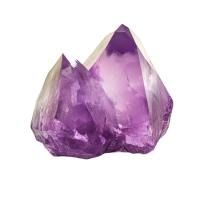
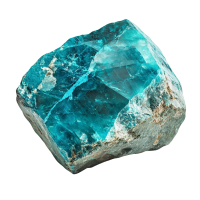
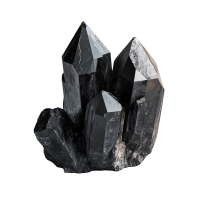
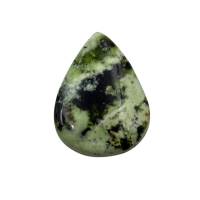
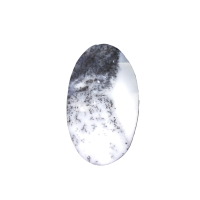
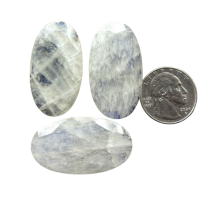
The gemstone market has grown rapidly in recent years, with more people turning to natural gemstones for astrological benefits, jewellery investment, and personal style. However, this growth has also led to a surge in synthetic, treated, and misrepresented stones flooding the market. As we move into 2026, understanding the difference between natural gemstones and certified gemstones has never been more important for buyers who want genuine value and authentic astrological benefits.
This guide breaks down everything you need to know before making your next gemstone purchase—what “natural” really means, why certification matters, how to spot red flags, and how to buy with confidence.
A natural gemstone is one that forms in the earth through geological processes over thousands or millions of years, without any human intervention in its formation. This is different from synthetic gemstones, which are lab-created but share the same chemical and physical properties as natural stones, and imitation gemstones, which merely look similar but have entirely different compositions (like glass or plastic mimicking a ruby).
Importantly, “natural” does not always mean “untreated.” Many natural gemstones undergo treatments such as heating, oiling, or irradiation to enhance colour and clarity. This is where the distinction between natural and certified gemstones becomes critical.
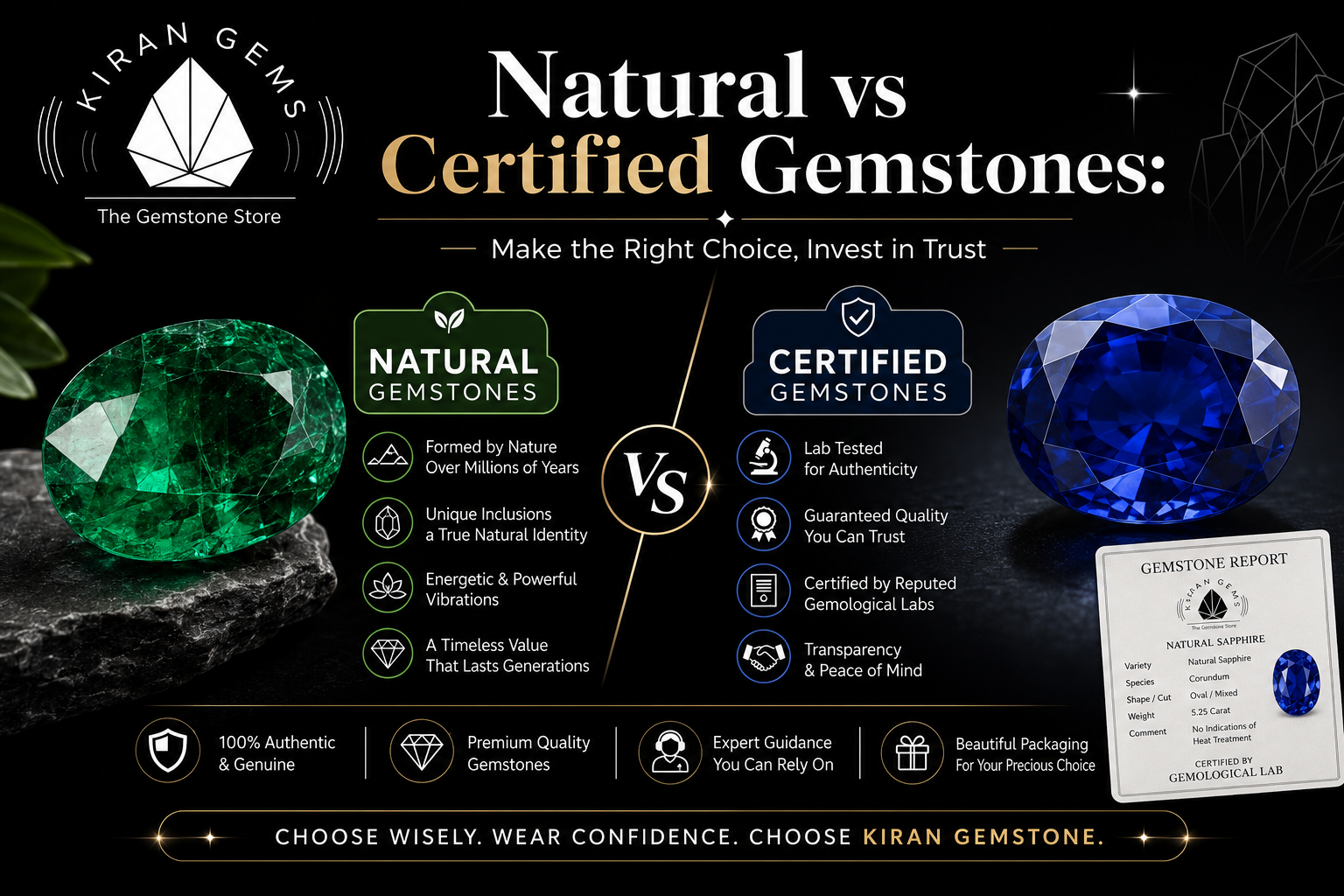
A certified gemstone has been examined by an accredited gemological laboratory, which issues a report confirming its authenticity, origin, treatment history, and quality characteristics. Reputable certification bodies include:
A certificate typically details the stone’s weight, dimensions, colour grade, clarity, cut, and—most importantly—whether it has undergone any treatments. For buyers seeking gemstones for astrological purposes, this last point is crucial, since untreated, natural stones are generally believed to carry stronger planetary energies than heavily treated ones.
With advancements in lab-grown gemstone technology, synthetic stones have become nearly indistinguishable from natural ones to the untrained eye. Without proper certification, buyers risk paying premium prices for stones that offer none of the value—financial or astrological—of genuine natural gemstones.
Today’s buyers are more informed than ever, actively researching before making high-value purchases. This shift in consumer behaviour has pushed reputable sellers to prioritise transparency, making certification a standard expectation rather than an optional add-on.
For those purchasing gemstones for astrological remedies, wearing a synthetic or heavily treated stone is generally believed to significantly reduce—or even negate—the intended planetary benefits. A certified gemstone confirms that what you’re wearing is genuinely natural and capable of delivering the results you’re seeking.
Certified gemstones hold their value far better over time. Should you ever wish to resell or pass down your gemstone, a certificate from a recognised laboratory significantly simplifies the process and protects your investment.
| Aspect | Natural (Uncertified) | Certified Gemstone |
|---|---|---|
| Authenticity Proof | None | Verified by accredited lab |
| Treatment Disclosure | Unknown | Clearly documented |
| Resale Value | Lower, harder to verify | Higher, easier to verify |
| Astrological Reliability | Uncertain | Higher confidence |
| Price Transparency | Variable, negotiable | Standardised based on grading |
It’s worth noting that a gemstone can be both natural and uncertified—meaning it genuinely formed in the earth but simply hasn’t been lab-tested. The absence of certification doesn’t automatically mean a stone is fake, but it does mean the buyer has no independent verification of its authenticity or treatment history.
When purchasing gemstones—whether for astrology, jewellery, or investment—watch for these warning signs:
Always ask for the original certificate from a recognised laboratory, not just a photocopy or printed image. Cross-check the certificate number directly on the issuing lab’s website when possible.
Ensure the measurements, weight, and identifying characteristics listed on the certificate match the actual stone you’re purchasing. Reputable sellers will allow you to verify this before finalising the purchase.
Working with a trusted name makes a significant difference in ensuring authenticity. Sellers like Kiran Gemstone, for instance, prioritise providing lab-certified, natural stones along with transparent documentation, giving buyers confidence in both the quality and origin of their purchase.
Learn the common treatment terms used in certificates, such as “heated,” “unheated,” “oiled,” or “irradiated.” For astrological purposes, unheated and untreated stones are typically considered the most effective, though they often come at a premium price.
Also Read This Lucky Gemstones for Makar Rashi.
It’s natural to notice that certified gemstones often carry higher price tags compared to uncertified alternatives. This price difference reflects:
While it may be tempting to save money on an uncertified stone, the long-term risks—both financial and astrological—often outweigh the initial savings.
As the gemstone industry continues expanding in 2026, the responsibility of ensuring authenticity increasingly falls on both buyers and sellers. Reliable sellers such as Kiran Gemstone play an important role in maintaining industry standards by consistently offering certified, natural gemstones backed by proper documentation—helping buyers avoid the pitfalls of an increasingly complex market.
Understanding the difference between natural and certified gemstones is essential for anyone planning to invest in gemstones in 2026, whether for astrological remedies, jewellery, or long-term value. While natural gemstones form the foundation of authenticity, certification provides the independent verification needed to confirm that authenticity beyond doubt.
Before making your next purchase, prioritise transparency, request proper documentation, and buy from established, reputable sellers. Doing so ensures that your investment—whether emotional, spiritual, or financial—delivers genuine, lasting value for years to come.



