No products in the cart.
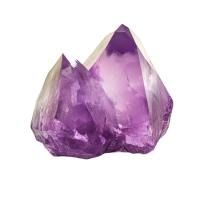
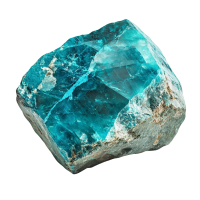
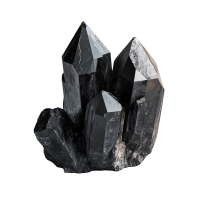
Blue sapphires have captivated hearts for centuries — their rich royal blue tone, exceptional hardness, and deep astrological significance make them one of the most sought-after gemstones in the world. Whether you’re buying a blue sapphire for fine jewelry, long-term investment, or Vedic astrological purposes, one question you simply cannot overlook is: Is this stone natural or synthetic? Many buyers unknowingly end up with a lab-created sapphire when they intended to purchase a genuine one. At Kiran Gemstone, we believe every buyer deserves complete transparency, certified authenticity, and expert guidance before making a decision.
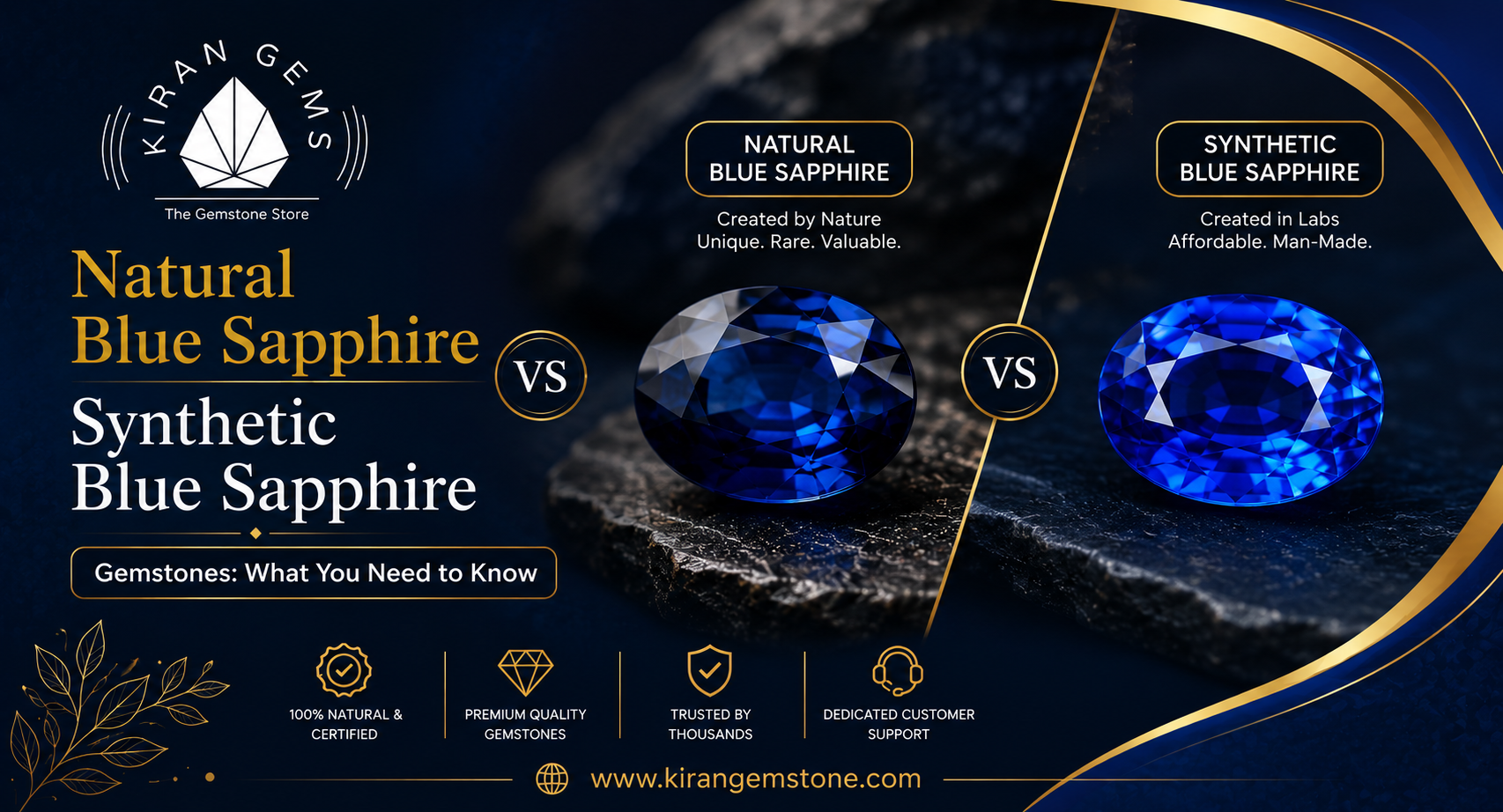
A blue sapphire gemstone belongs to the corundum mineral family, prized for its stunning deep blue color and extraordinary hardness — second only to diamonds. Natural blue sapphires take millions of years to form deep within the earth under intense geological pressure and extreme heat. This long, natural formation process is exactly what makes them rare and exceptionally valuable.
Synthetic blue sapphires, on the other hand, are manufactured in laboratories to replicate the chemical and physical properties of natural ones. While they may appear visually similar at first glance, they are fundamentally different in terms of origin, rarity, and market value.
A natural blue sapphire stone is a genuine gemstone formed entirely through natural geological processes without any human interference. Most natural sapphires carry minor inclusions or tiny imperfections inside them — and these are not flaws but rather proof of authenticity, like a fingerprint left by nature.
Each natural sapphire is one-of-a-kind. Its color depth, clarity, cut, and geographic origin all combine to determine its value. Natural blue sapphires are widely used in fine jewelry, investment portfolios, and Vedic astrology (where the stone is known as Neelam), and they continue to hold — and often grow — in value over time.
A synthetic blue sapphire is grown inside a laboratory using advanced technology. Under controlled conditions, scientists replicate the chemical composition of a natural sapphire. While it may take millions of years for a natural sapphire to form in the earth, a synthetic version can be produced in just a matter of weeks.
Because they can be mass-produced, synthetic sapphires cost significantly less than natural ones. They tend to appear almost too perfect — with very few to no inclusions — which is actually a telltale sign when examined under a jeweler’s loupe. While synthetic sapphires may look attractive in fashion jewelry, they carry none of the rarity, astrological potency, or prestige associated with a genuine natural stone.
A major concern in the gemstone market is that many buyers unknowingly purchase synthetic sapphires thinking they are natural. This is why purchasing from a trusted, certified seller like Kiran Gemstone is so important.
Formation Process Natural sapphires form over millions of years deep beneath the earth’s surface through immense geological forces. Synthetic sapphires are grown by humans in a laboratory over a period of weeks or months.
Value and Rarity Natural sapphires exist in limited quantities in nature, making them genuinely rare and valuable. Synthetic sapphires can be produced in bulk at a fraction of the cost, which significantly impacts their market value.
Inclusions and Visual Appearance Natural sapphires typically contain natural internal inclusions that confirm their earth-origin. Synthetic sapphires are usually near-flawless in appearance — a perfection that actually helps identify them as lab-grown when inspected closely.
Investment Potential Natural blue sapphires have historically appreciated in value and are considered a sound long-term investment. Synthetic sapphires, however, rarely hold or grow in monetary value after purchase.
Kashmir Blue Sapphire Regarded as the world’s finest sapphire, the Kashmir Blue Sapphire is known for its iconic velvety, cornflower blue tone. Mined from the high-altitude mountains of the Kashmir region, these stones are extraordinarily scarce, making them among the most coveted by collectors and connoisseurs globally.
Ceylon Blue Sapphire (Sri Lankan Sapphire) The Ceylon Blue Sapphire from Sri Lanka is celebrated for its vivid, bright blue color and exceptional clarity. It remains a top choice for both fine jewelry settings and astrological use, thanks to its brilliant luster and transparent quality.
When investing in a blue sapphire gemstone, always insist on a certificate of authenticity from a recognized, independent gemological laboratory. A proper certificate confirms the stone’s natural origin, treatments (if any), quality grade, and geographic source. Without certification, you have no reliable way to verify what you are actually purchasing.
At Kiran Gemstone, every stone in our collection comes backed by trusted lab certification, giving you complete peace of mind with your purchase.
Certified blue sapphire stones are used beautifully in rings, pendants, and bracelets — with the blue sapphire ring being the most popular choice for its timeless elegance and astrological significance.
When selecting a blue sapphire, evaluate it on these five essential criteria:
Choosing your gemstone from a reputable seller ensures you receive a stone that is exactly what it claims to be.
Online gemstone shopping offers incredible convenience and a wider selection, but it requires careful judgment. Here are some practical tips to shop safely:
At Kiran Gemstone , we provide detailed product information, expert gemstone consultation, and certified authenticity for every piece in our collection — making your online buying experience safe, informed, and satisfying.
As awareness around gemstone quality and authenticity continues to grow, more buyers are specifically seeking certified natural blue sapphires from reliable online sources. Whether your purpose is astrological, ornamental, or investment-driven, choosing the right type of natural sapphire is fundamental to getting lasting value from your purchase.
Kiran Gemstone offers a carefully curated selection of natural blue sapphires sourced from premier origins, complete with professional guidance and certified documentation — so you always know exactly what you’re getting.
Understanding the difference between a natural and synthetic blue sapphire is not just important — it is essential before making any purchase decision. While lab-created stones may be visually appealing, they simply cannot match the authentic rarity, astrological power, and lasting value that a genuine natural blue sapphire carries.
From the legendary Kashmir Blue Sapphire to the brilliantly clear Ceylon Blue Sapphire, natural sapphires have held their place as some of the most treasured gemstones on earth for centuries — and they will continue to do so. By choosing Kiran Gemstone as your trusted source, you are investing in genuine quality, certified authenticity, and stones that carry real beauty and enduring worth.
Explore our complete collection of certified natural blue sapphire gemstones at kirangemstone.com
Q1. What is the difference between a natural blue sapphire and a synthetic blue sapphire?
A natural blue sapphire is formed deep within the earth over millions of years through natural geological processes, making it genuinely rare and valuable. A synthetic blue sapphire, on the other hand, is created in a laboratory within weeks using advanced technology. While both share the same chemical composition, they differ greatly in origin, rarity, astrological value, and long-term investment worth.
Q2. How can I tell if a blue sapphire is natural or synthetic?
The most reliable way to identify a natural blue sapphire is through a certificate from a recognized gemological laboratory. Natural sapphires typically contain minor internal inclusions visible under magnification, while synthetic ones appear almost perfectly flawless. Always purchase from a trusted seller like Kiran Gemstone who provides certified, lab-verified stones.
Q3. Is a natural blue sapphire worth more than a synthetic one?
Yes, significantly. Natural blue sapphires are rare, earth-mined gemstones that hold and appreciate in value over time. Synthetic sapphires are mass-produced in laboratories and cost far less, but they rarely retain or grow in monetary value after purchase. For investment or astrological purposes, a natural certified blue sapphire is always the better choice.
Q4. Can synthetic blue sapphire be used for astrological purposes?
No. In Vedic astrology, only a genuine natural blue sapphire (Neelam stone) is considered effective for astrological benefits. A synthetic or lab-created stone does not carry the natural energy or planetary influence associated with Saturn (Shani), and therefore will not produce the intended astrological results.
Q5. Which is the best quality natural blue sapphire available?
The Kashmir Blue Sapphire is widely regarded as the finest quality blue sapphire in the world, known for its distinctive velvety cornflower blue color. The Ceylon Blue Sapphire from Sri Lanka is also highly prized for its vivid clarity and brilliant luster. Both varieties are available at Kiran Gemstone with full certification.
Q6. What should I check before buying a blue sapphire online?
Before purchasing a blue sapphire online, always verify these five things — the stone’s color and saturation, clarity and transparency, cut and shape, independent laboratory certification, and the country of origin. Make sure you are buying from an established and trustworthy retailer like Kiran Gemstone (kirangemstone.com) that offers certified natural gemstones with transparent pricing.
Q7. Does Kiran Gemstone provide certified natural blue sapphires?
Yes. At Kiran Gemstone, every blue sapphire in our collection is sourced from trusted origins and comes with certification from recognized gemological laboratories. We offer complete transparency regarding the stone’s origin, quality, and treatment status so you can buy with full confidence.
Q8. What is the price difference between natural and synthetic blue sapphires?
Natural blue sapphires are considerably more expensive than synthetic ones due to their rarity, limited supply, and long formation process. The price of a natural blue sapphire varies based on its color, clarity, carat weight, cut, and origin — with Kashmir sapphires commanding the highest premiums. Synthetic sapphires cost a fraction of the price but offer little to no long-term value.



